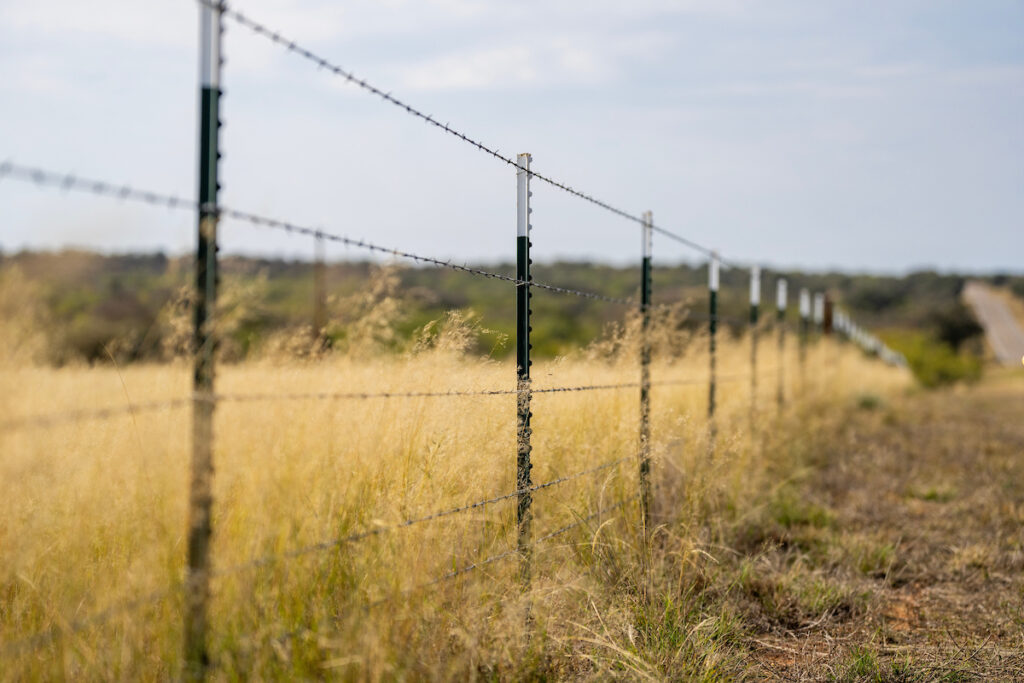
Grazing Management-Beef Production Study
This five-year pilot initiative is a comprehensive effort to benchmark, educate, and assess climate-smart beef production practices across the state. The project is designed to quantify the impact of grazing management on soil carbon and soil health indicators. By connecting farmers and ranchers with research-backed strategies, the program aims to reduce the environmental footprint of beef while supporting the economic viability of cow-calf and stocker operations.
The project has recently commenced its initial phase. Beginning 4th quarter 2025, the research team completed the first round of soil sampling in three major cattle producing areas of the state. These samples are critical for establishing baseline levels of soil organic carbon, which will allow researchers to accurately measure carbon sequestration and improvements in soil health over the duration of the study.
Targeting over 40,000 acres and engaging approximately 27 beef cattle producers in three major cattle producing regions of Texas, this project utilizes a “benchmark, educate, and assess” framework. The research is structured around six primary activities:
- E-Learning Development: Creating a module-based certificate program to train producers in climate-smart practices.
- Benchmarking: Surveying current production practices and soil conditions to establish a starting point for sustainability metrics.
- Producer Education: Deploying regional workshops and online tools to facilitate the adoption of best management practices.
- Tracking Adoption: Monitoring changes in management strategies and herd productivity over time.
- Quantifying Impact: Using data to calculate reductions in greenhouse gas emissions and increases in carbon sequestration.
- Consumer Engagement: Developing resources to transparently communicate the sustainability efforts of the beef industry to the public.
Importance
- For Meat Production & Consumers: This initiative addresses the growing consumer demand for transparency and sustainability in the food supply chain. By quantifying the reduction of greenhouse gases, the project empowers the beef industry to share a verified, science-based story about its progress toward carbon neutrality, helping consumers make informed food choices.
- For Soil Health & Grassland Prairies: The project focuses on grazing management practices that not only sequester carbon but also improve water holding capacity, nutrient cycling, and infiltration rates. Healthy soils lead to resilient grassland prairies that are better equipped to withstand drought and adverse growing conditions.
- For Cattle Producers: Sustainability is approached through an economic lens. The “climate-smart” practices promoted in this study—such as improved grazing management and herd efficiency—are selected because they enhance productivity and reduce production costs. The program provides producers with the data necessary to benchmark their performance and validate their stewardship.


