Our Projects
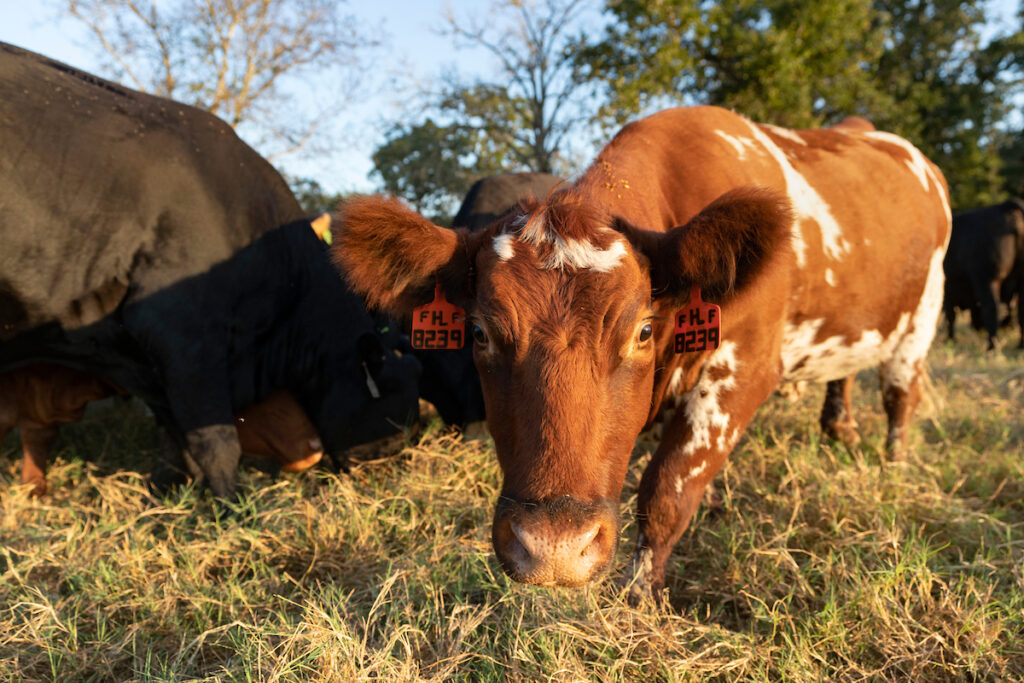
The Center for Grazinglands and Ranch Management is a facilitating agent for producer-directed and focused, applied grazing land and ranch management research, direct producer outreach and policy engagement. Explore a selection of our current projects.
Texas Beef Cattle Efficiency Initiative
Student Lead: Hunter Jones

This project is a comprehensive, statewide effort designed to help beef cattle producers adopt management practices that reduce greenhouse gas emissions, improve soil carbon sequestration, and enhance long‑term sustainability in cow‑calf and stocker operations. The project addresses a critical need in the beef industry: practical, science‑based education paired with benchmarking and long‑term monitoring to support meaningful, measurable environmental progress.
Texas High Plains Conservation Reserve Program (CRP) Evaluation
Student Lead: Amanda Shine

This research project evaluates how climate-smart grazing management on Conservation Reserve Program (CRP) lands in the Texas High Plains can improve soil health, enhance grassland biodiversity, and support habitat for priority grassland bird species. By comparing adaptive grazing, limited grazing, and grazing exclusion across native and introduced grasslands, the study examines impacts on soil carbon sequestration, vegetation structure and diversity, and wildlife use over multiple years. Results will provide science-based guidance for ranchers, conservation practitioners, and policymakers, helping inform future CRP grazing policies and demonstrating how well-managed grazing can align agricultural production with conservation and climate goals.
Hawaii – Grazing Lands Initiative
Student Lead: Lydia Salsbury
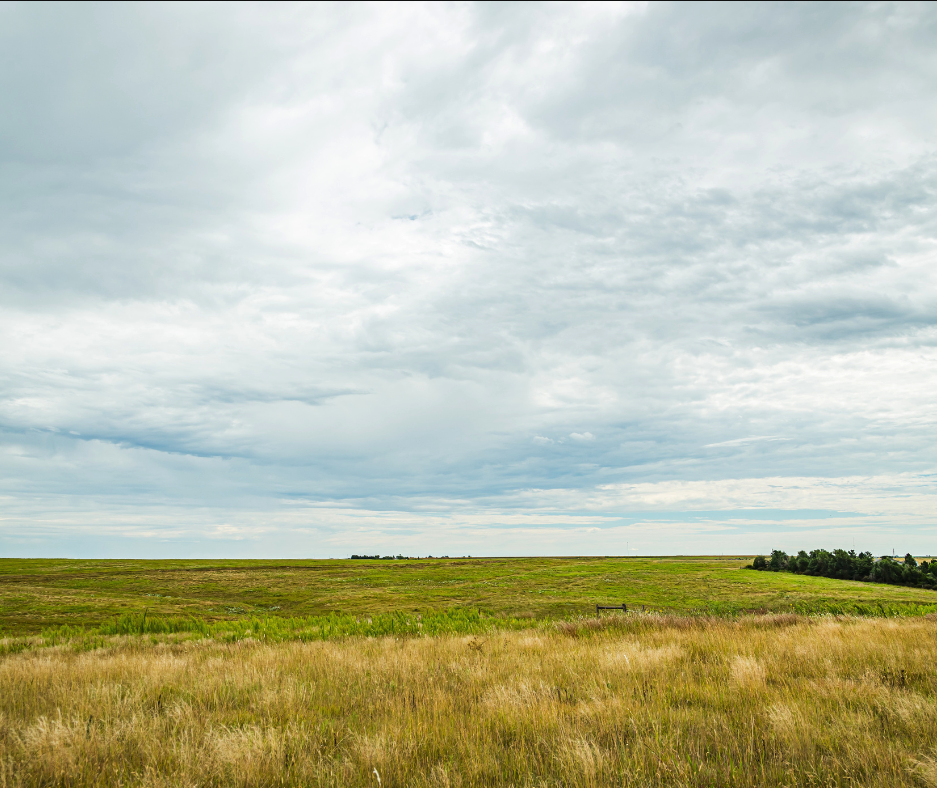
This project builds the capacity of the Hawaii Grazing Lands Coalition to deliver targeted grazing technical assistance through statewide workshops and partner collaboration, with an emphasis on supporting historically underserved producers. It establishes baseline soil carbon and vegetation diversity monitoring across regions and management systems to inform future rangeland ecosystem assessments, while expanding education and conservation-focused grazing support.
3M – Metrics, Management and Monitoring
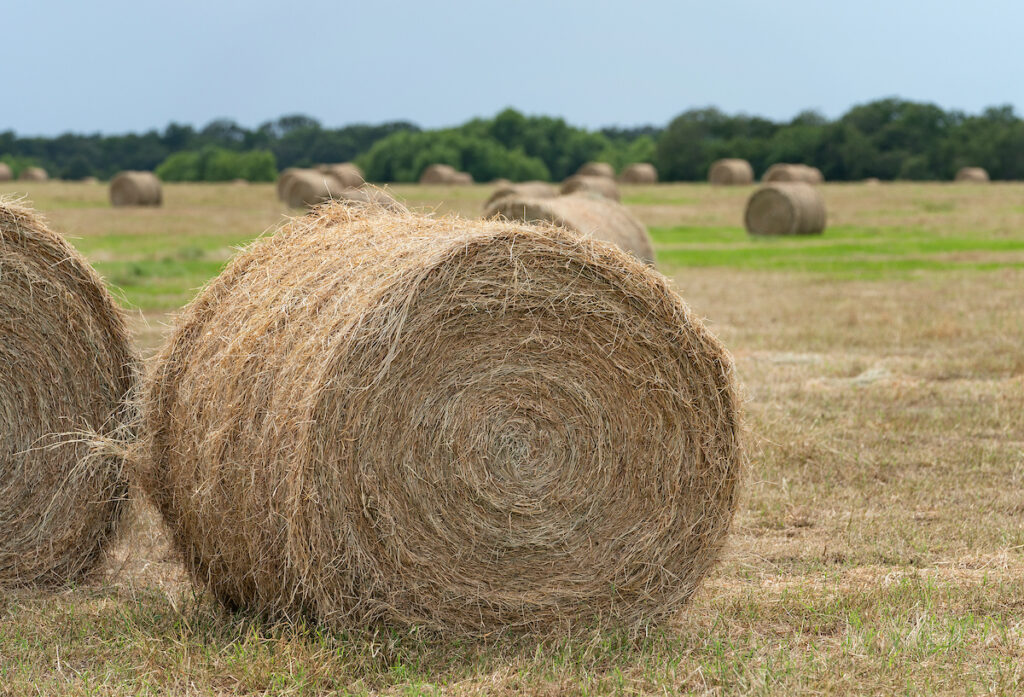
In partnership with the Noble Research Institute’s 3M NextGen Project, leads efforts to advance grazing management through the analysis of producer‑submitted ranch and paddock data and the development of regional producer engagement networks, using metrics such as stocking rate, stock density, grazing and rest durations, and regrazing frequency to better understand how grazing practices relate to soil health, ecosystem function, socio‑economic outcomes, and landscape resilience, while also supporting producers through peer‑to‑peer networks, technical assistance, and coordinated regional meetings.
USMC Western Landscapes Resilience – Yuma Regenerative Grazing Project
Student Lead: Mac Smithson

CGRM & NRI are developing a decision‑based framework to help military installations and surrounding communities identify, prioritize, and implement landscape resilience projects. This includes water resilience, habitat management, and sustainable land management strategies.
Corteva/Resample Project (Southern Great Plains Working Land Soil Health Project)
Student Lead: Lydia Salsbury

The Project is a long‑term research effort evaluating how grazingland stewardship influences soil health across Texas and Oklahoma. The project spans 14 ranches and approximately 43,000 acres, representing six major ecoregions (MLRAs) across the Southern Great Plains.
All participating ranches are beef cattle operations that incorporate planned grazing strategies focused on intensity, frequency, and duration. The landscapes include native prairies, shortgrass communities, introduced pastures, and complementary croplands.
Principles Before Practices

Together with the Texas Grazing Lands Coalition, the Center will facilitate the delivery of technical assistance to landowners and incentivizes the prioritization of applying the appropriate practices to address resource concerns. The project will assess the effectiveness of field and web-based curriculum delivery format and will provide additional field training and facilitate valuable mentorship opportunities. This project is made possible through support from the U.S. Department of Agriculture Natural Resources Conservation Service.
Grazingland Nutrition Monitoring

Led by Texas A&M Agrilife Research, this project introduces historically underserved producer groups to non-invasive grazing animal nutritional monitoring methods via peer-to-peer workshops. The project provides high-impact experiential learning opportunities for producers and NRCS personnel via grazing animal performance demonstrations and upgrades of the fecal near infrared spectroscopy/Nutritional Balance Analyzer (FNIRS/Nutbal) system in real-world production settings. This project is made possible through support from the U.S. Department of Agriculture Natural Resources Conservation Service Grazingland Conservation Initiative.
Ranchworthy – YouTube

Ranchworthy – Where land, legacy, and leadership come together.
At Ranchworthy, we bring you inside the gates of America’s most resilient ranches and the people who run them. From grazing strategies and land stewardship to generational wisdom and emerging ag technologies. This is the real story of ranching, told by those who live it.
Each episode features in-depth interviews with ranchers, innovators, and thought leaders shaping the future of agriculture. Whether you’re a producer, student, policymaker, or curious viewer, you’ll find honest insights, practical knowledge, and ranch-worthy perspectives that matter.
New episodes every week. Shorts posted weekly. Click below to see the latest episodes.

Battle Ground to Breaking Ground

The Texas A&M Center for Grazinglands and Ranch Management (CGRM) is a committed partner in the “Battle Ground to Breaking Ground – Expanding Agriculture Opportunities for Veteran Farmers & Ranchers” program with Texas A&M Agrilife Extension.
The objective is to support veteran farmers and ranchers breakthrough barriers of entry and become more sustainable. CGRM provides support in the following areas.
Outreach: CGRM will actively assist in raising awareness of the program to veteran farmers and ranchers across Texas.
Curriculum Development: CGRM will provide educational content and materials specifically for the Grazinglands and Ranch Management Basics course.
Expert Instruction: The Center will assist in developing curriculum and provide speakers for hands-on learning opportunities once per year.
CARE Certified Assessment Project

In partnership with The Nature Conservancy, the Texas A&M Center for Grazinglands and Ranch Management (CGRM) is evaluating the Where Food Comes From CARE Certified beef program to understand how its standards and audits influence management decisions and producer outcomes. The study focuses on three pillars of the CARE certification—animal welfare, environmental stewardship, and people and community—and examines how participation affects producer perceptions, management adaptability, and continuous improvement. Through surveys, interviews, and field observations across the Northern and Southern Great Plains, researchers are assessing producer experiences, auditor practices, and the overall value and effectiveness of CARE certification. Findings will guide recommendations for strengthening audit standards, training, and communication, ensuring the certification program effectively supports sustainable ranching, resilient ecosystems, and thriving rural communities.
Resilient Ranch Network: Defining Metrics that Matter
Student Lead: Katrina Turner

Funded by the Walmart Foundation, the Resilient Ranch Network is a partnership among the Texas Grazing Land Coalition (TXGLC), Texas A&M Center for Grazinglands and Ranch Management (CGRM), and Texas A&M AgriLife Extension designed to strengthen ranch resilience through adaptive grazing management. Working with 40 ranches across 68 counties in North Central Texas, the project provides one-on-one technical assistance, develops individualized grazing plans, and engages producers and supply chain partners to identify and measure sustainabilityindicators that are both meaningful to ranchers and relevant to industry sustainability goals. By building producer capacity, improving decision-making, and fostering dialogue between ranchers and corporate stakeholders, the initiative advances adaptive management and long-term resilience of Texas grazinglands while aligning on shared measures of success across the beef supply chain.

